
Google Analytics: The Compass Every Digital Marketer Needs
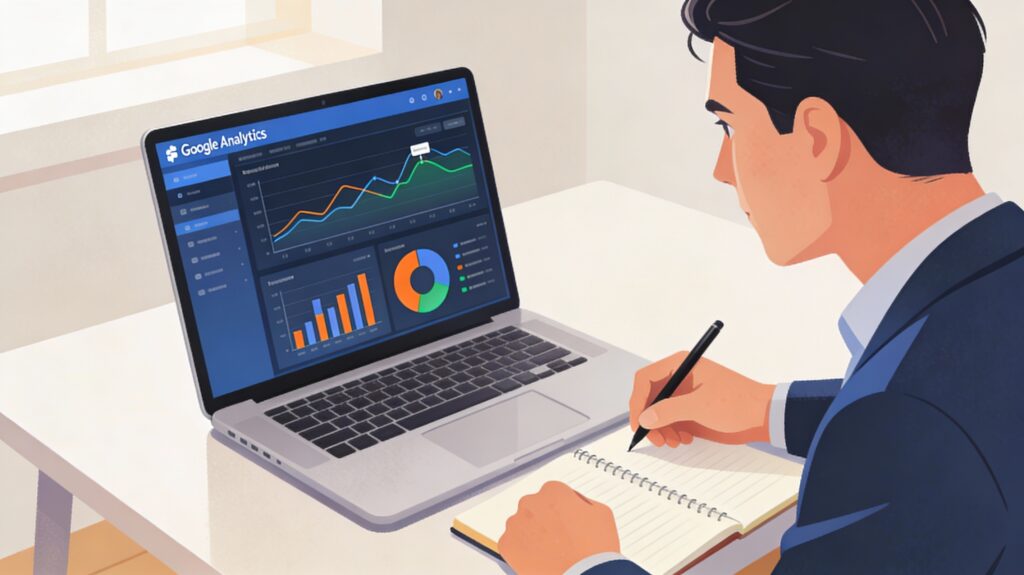
In the ever-changing world of digital marketing, data is the heartbeat of every decision that truly drives results. Yet, raw numbers alone mean very little unless you know how to interpret them, connect the dots, and act strategically. That’s where Google Analytics comes in — not just as a tool, but as a trusted compass guiding brands, marketers, and creators through the maze of online behavior.
Think of it this way: every click, scroll, and session tells a story. Google Analytics helps translate that story into insights — revealing what’s engaging your audience, what’s losing their interest, and where your marketing dollars make the biggest impact. Understanding your traffic sources, user demographics, and conversion paths allows you to shape smarter campaigns, design better user experiences, and forecast outcomes with confidence.
From Data to Real Decisions
Gone are the days when digital marketing decisions were made on instinct alone. Analytics bridges intuition and intelligence. By tracking metrics like bounce rate, session duration, and conversion funnels, businesses can pinpoint what truly works. More importantly, platforms like GA4 (Google Analytics 4) have transformed old-school tracking into cross-platform intelligence — showing how users interact with your brand across websites, apps, and multiple devices.
This holistic view isn’t just about measuring numbers — it’s about understanding why those numbers behave the way they do. When that understanding deepens, everything from content strategy to paid ad performance finds its flow.
SEO + Analytics: A Perfect Partnership
For SEO professionals, Google Analytics is like the pulse monitor of online performance. When integrated with Google Search Console, it unveils deeper layers of truth — which pages attract organic traffic, what queries bring users to your site, and how engagement changes after algorithm updates.
By diving into Behavior Flow or User Explorer data, SEO specialists can identify where visitors drop off and fine-tune their content paths. Over time, this process helps create an ecosystem where data doesn’t intimidate — it informs.
The Human Side of Analytics
Here’s the beautiful paradox: Google Analytics may feel technical, but at its heart, it’s deeply human. Every graph, report, or metric reflects real people — their curiosity, needs, and online journeys. Recognizing that bridge between numbers and human behavior is what separates mechanical marketers from meaningful storytellers.
When you use analytics not just to count visitors but to understand human intent, your strategies stop chasing algorithms and start creating real connections.
Final Thought
In 2025 and beyond, as AI-driven platforms ingest and interpret data faster than ever, the human skill lies in asking the right questions. Google Analytics gives you the answers — but knowing how to listen, analyze, and apply them is what turns a marketer into a strategist.
If you’re not already living and breathing your analytics dashboard, now’s the time. After all, the clearer your data lens, the sharper your digital vision becomes.